
Sources That Describe St. Petersburg Neighbors on a Block
No source names every person around a St. Petersburg address. The practical block view combines parcel polygons, the property roll, city map layers, public voter fields, permit or planning history, and neighborhood contacts. Each source measures a different fact.
| Source | What It Shows About a Block | Access |
|---|---|---|
| PCPAO GIS | Adjacent parcel shapes, parcel links, sales and measurements | Free click browse |
| Property Quick Search | Owner, situs, mailing, legal description and street results | Free search and export |
| Neighborhood Relations GIS | Code, value, homestead, land use, associations and districts | Free ArcGIS service |
| City permits and planning | Public work, projects, addresses and named parties | Free public history |
| Public voter file | Public voter and address fields, with protected entries omitted | County request |
| Association pages | Public officers, contact, meetings and current status | Varies by group |
The titled owner may live elsewhere, and a tax mailing address is not always the situs. Homestead is strong owner-occupancy evidence, not a household list. Note the date and exact field behind each conclusion.
St. Petersburg's Community Map Is a Layer Stack
The city's Neighborhood Relations service combines code cases, parcel address, assessed and taxable value, homestead, foreclosure context, land use, churches, city sites, parks, associations, council districts, and liaison zones. It supports identify, query, find, and export, with a maximum selection of 2,000 records.
The official Neighborhood Relations GIS shows how those layers are organized.
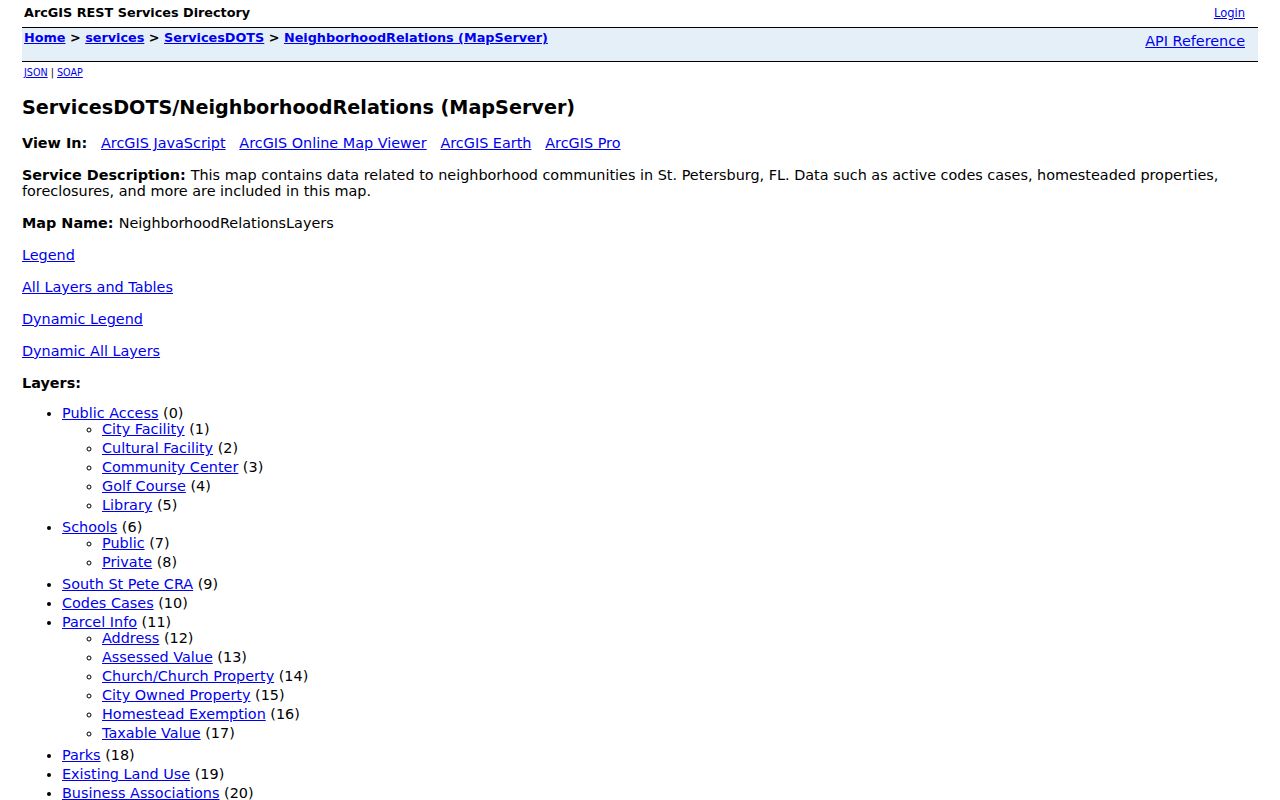
Use one layer for one question. Code activity, homestead, value, and association coverage are not the same evidence and none is a complete neighbor roster.
Walk Outward From One St. Petersburg Parcel
The Pinellas Property Appraiser viewer has no named neighbor or buffer report. Its reliable method is manual: locate the seed parcel, click each polygon around it, and record only what the linked card supports.
- Find the known address in PCPAO GIS and open its parcel link.
- Record parcel number, legal description, situs, titled owner, mailing address, and homestead field.
- Click each polygon that touches or faces the seed parcel and repeat the same fields.
- Use Quick Search for a short street segment when a clean owner and legal list helps.
- Overlay city association, district, code, or land-use layers after the parcel set is fixed.
This process answers who holds title around one address. For the full named road, use the St. Petersburg street directory, which follows records by street rather than radius.
Place St. Petersburg Neighbors in the Right Association
The city association layer is spatial, so an address can be tested against a polygon instead of guessed from a neighborhood name. Fields include association name, website, contact name, phone, email, Facebook page, meeting details, neighborhood specialist, and Status. Status can be Active, Dormant, or Nonactive.
The official association boundary layer supplies the polygon and public contact schema.
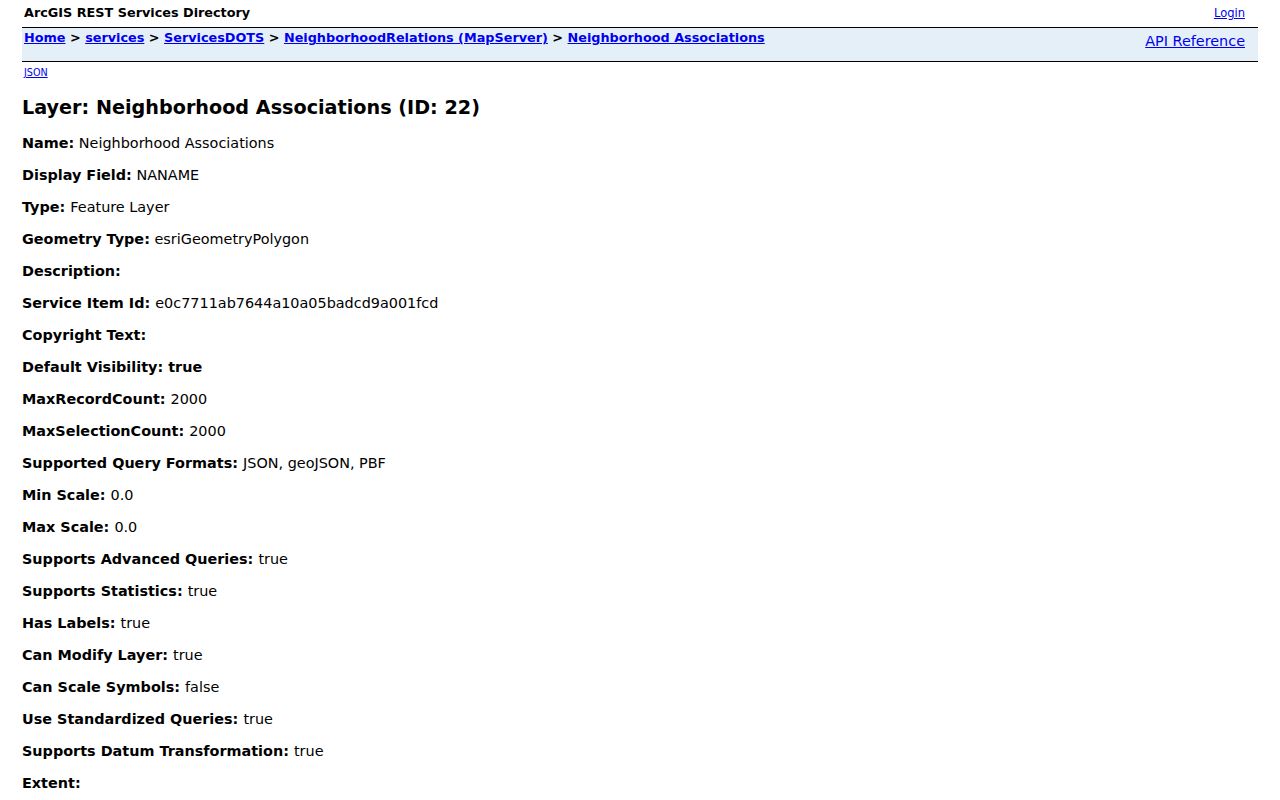
Check both the polygon and present status before relying on a familiar neighborhood label or an old meeting notice.
Public Contacts for St. Petersburg Neighborhood Groups
Association data help readers contact civic representatives, not identify members. The city query exposes public meeting and contact data for groups across St. Petersburg, including these active examples from the research snapshot.
| Area examples | Fields to check | Sound use |
|---|---|---|
| Historic Old Northeast, Crescent Lake, Crescent Heights | Status, website, contact, meeting | Neighborhood issue or meeting inquiry |
| Historic Kenwood, North Kenwood, Central Oak Park | Polygon, specialist, public contact | Confirm coverage before contact |
| Campbell Park, Childs Park, Downtown | Status, meeting info, phone or email | Reach the listed civic representative |
| Shore Acres, Riviera Bay, Snell Isle | Boundary, website, current status | Check which group serves an address |
The city association contact query is the source for current field values.
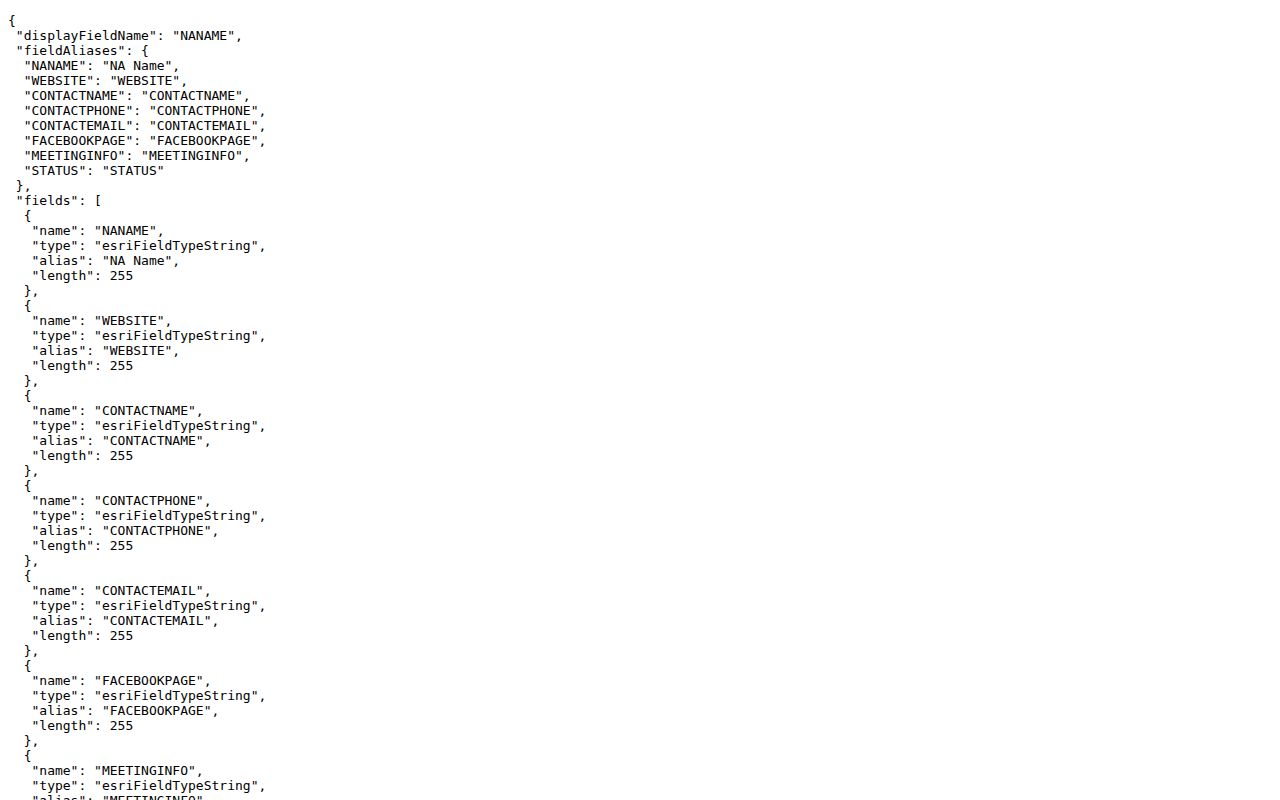
Always recheck Active, Dormant, or Nonactive status before sending a reader to a group.
CONA and the St. Petersburg Civic Network
The St. Petersburg Police Department identifies the Council of Neighborhood Associations, or CONA, as an umbrella organization. That route can help find civic channels beyond one mapped polygon, but it does not turn a public officers page into a list of neighbors.
The department's neighborhood and CONA links page shows the public route.
Use it for organization and meeting contact, then ask only for information the group makes public.
Florida Voter Data and St. Petersburg Neighbors
Florida makes a registered voter's name, residence address, birth date, party, phone, email, and participation history public. It keeps Social Security and driver-license or state-ID numbers closed, bars signature copying, and protects preregistered minors plus people covered by address exemptions. Participation never reveals ballot choices.
A Pinellas public-file request can include municipality, precinct, districts, residential and mailing address, and history for 20 elections. It excludes nonvoters and protected records, so it is not a block census. Orders are available by email, phone, or in person and delivered through ShareFile.
Official Block Evidence Versus Commercial Neighbor Tools
Official rolls state the custodian, record date, field meaning, and correction route. Commercial neighbor tools blend government and non-government feeds, may merge names, revive old addresses, or lag a correction. Convenience does not cure those identity problems.
Official St. Petersburg and Pinellas sources
Best for parcel boundaries, titled owners, dated filings, public voter fields, association polygons, and documented limits.
Commercial category
May offer a lead, but date and provenance can be unclear. Verify useful claims at the responsible government office.
For a fair view of St. Petersburg neighbors, label each official field and leave unknown household facts unknown.
The Gas Plant Record Layer Behind a St. Petersburg Block
Modern parcels do not explain each community that once occupied the same ground. The Gas Plant project joins a 1918 Sanborn sheet, a directory page, newspapers, maps, oral histories, and community memory. A historical block must therefore be rebuilt from dated sources instead of projected backward from today's map.
USF St. Petersburg Special Collections holds more than 150 special collections and 3,600 noncirculating books tied to Florida, local groups, journalism, and civil-rights history. Its appointment-based archive is a sound fallback when a map or directory hit needs neighborhood context.
A Geographic Search Is Not a St. Petersburg Neighbor Score
The FDLE public registry searches by city, county, ZIP, and radius, including a blank-name geographic mode. Results can be exported in limited PDF or county CSV form. Registry placement is a statutory status, not an individualized prediction, and it should not label every nearby person.
The FDLE geographic search shows the official fields and controls.
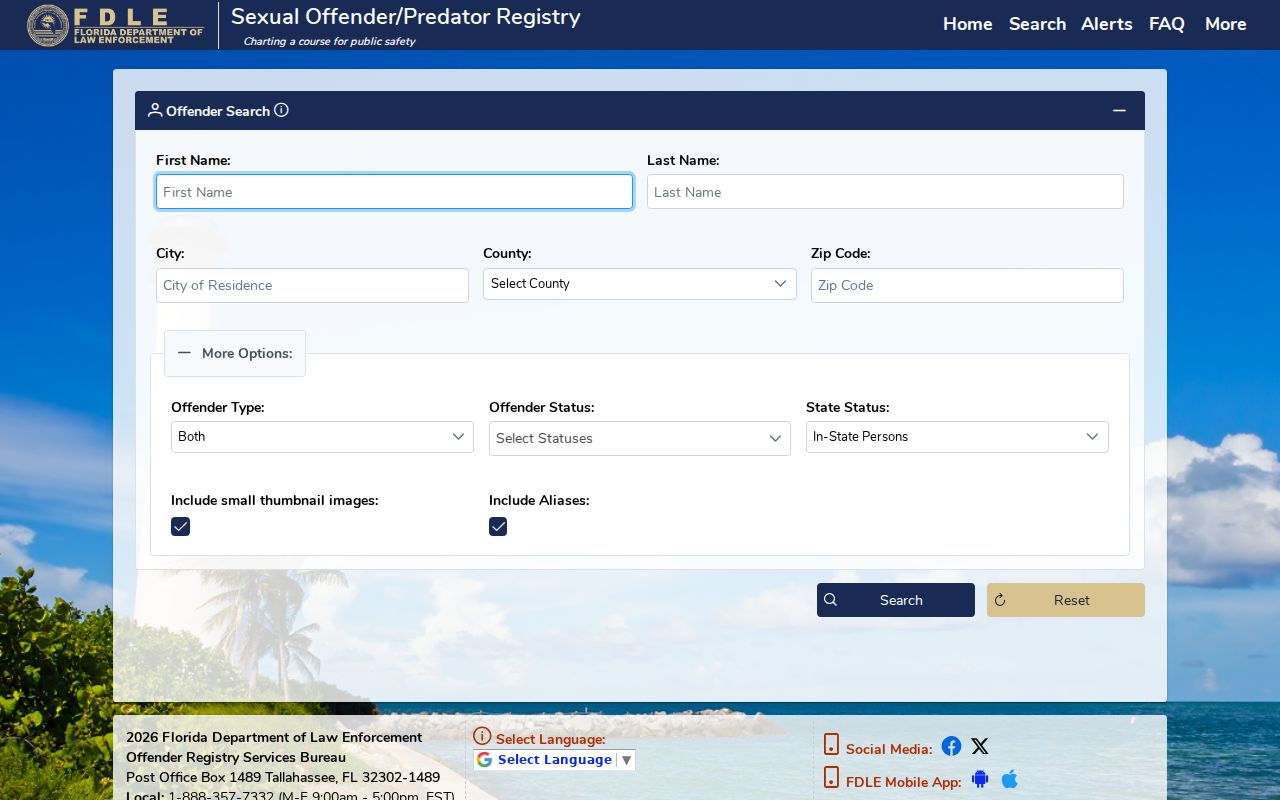
Read the record itself, confirm its date and status, and do not turn a radius result into a claim about the whole block.
Privacy Limits Around St. Petersburg Neighbors
Parcel rolls omit renters, roommates, minors, and household members who do not hold title. Association records disclose officers and public contacts, not members. Utility, delivery, and private camera-registry data are not public block directories. The St. Petersburg Police Eagle Eye program treats participant data as confidential and exempt.
Florida's Address Confidentiality Program supplies a substitute mailing address for eligible victims, while section 119.071 protects specified high-risk addresses through custodian requests. Public voter and property-facing records can thus omit or mask a person for a lawful reason. A blank space does not prove an address is empty.
Lawful use. Research St. Petersburg neighbors for civic curiosity and personal safety. Never watch, threaten, harass, or intimidate a person with public data.